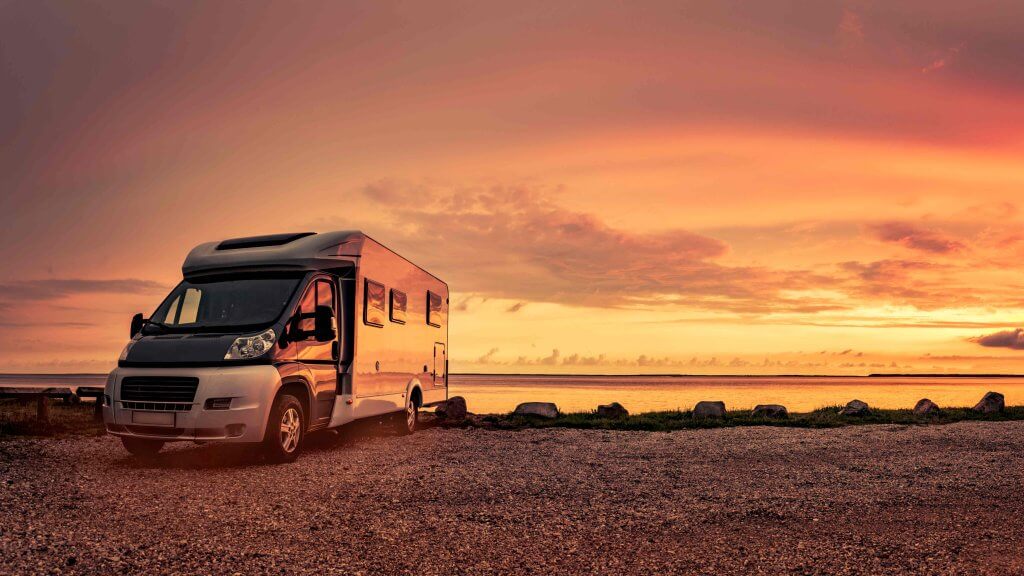
A motorhome can be an investment that delivers considerable value in the long term. It’s a means of going on a low-cost holiday whenever you like, and of accessing natural beauty spots with an ease that other tourists can only dream of.
But making this investment often means a considerable lifestyle change. Let’s take a look at this transition, what it involves, and how to get the best from it.
Why Motorhomes Suit Short UK Breaks
If you’re looking to take a short break, a motorhome can be a fantastic asset. Travellers based in the UK will have a number of domestic destinations to choose from, many of which are just a short drive away. It’s largely for this reason that the ‘staycation’, as a practice, is booming.
If you want to avoid the hassle of picking out accommodation and the cost of eating out, then the right motorhome might allow you to do so.
The Ongoing Costs of Motorhome Ownership
Getting the best from this kind of lifestyle means being aware of the costs associated with it. Running a motorhome means paying for fuel, maintenance, campsite costs, and a place to store it when it’s not being used. You might also need to obtain a new license, depending on the size of the vehicle you have in mind.
It’s also worth investing in the right insurance. Insurance is a legal requirement, but specialised motorhome insurance might provide the protection that’s really right for your needs.
From Staycation to Long Distance Road Trip
Local breaks are one thing. But a motorhome is also a fantastic means of enjoying a longer trip across the continent and beyond. Increasingly, holidaymakers are looking for eco-friendly ways to slash the environmental cost of a trip, and a motorhome is often far greener than an aeroplane. What’s more, the chilled-out, flexible nature of the average road trip in a motorhome might allow you to reduce the stress that your holiday creates.
Practical Considerations Before You Hit the Road
Before setting out, you’ll need to be aware of a few practicalities. For one thing, as we’ve mentioned, you’ll need to be legally licensed to drive the vehicle in the jurisdiction through which you’re driving it. Check that the vehicle is in good condition and that all the consumables are replenished. Ideally, you’ll go on a few short trips to build up a bit of experience before you commit to a longer one.





