The Role Of Fintech In Modern Project Delivery
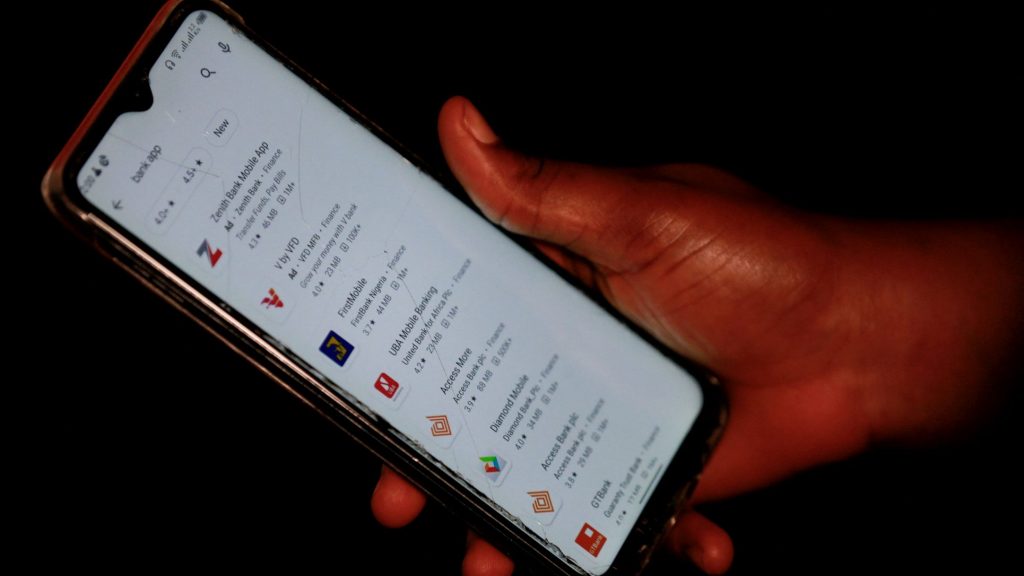
Project financial management used to mean endless spreadsheets, manual checks, and reports that always came too late. For years, project managers struggled with systems that didn’t talk to each other and slow financial processes, creating a gap between what was happening and what they understood. Today, financial technology, or fintech, is completely changing this. It’s building speed, accuracy, and smart insights right into how projects get done.
This shift turns financial control from a reactive, administrative chore into a proactive, strategic advantage. By weaving advanced financial tools directly into project workflows, teams can manage budgets, control costs, and make smarter decisions with incredible speed.
Fintech’s Impact on Project Management
Fintech, at its heart, uses technology to make financial services better and more automated. While many people think of it as just banking apps or crypto, its impact in business, especially for project management, is huge. For a project, this means tools that smooth out everything from approving budgets and tracking expenses to making international payments and reporting finances.
Instead of juggling separate accounting software and endless email chains, project managers can now use integrated platforms. These give them one clear source of truth for money matters, showing a real-time picture of project health and reducing the information silos that often lead to budget overruns and slow decision-making. For organisations managing several initiatives at once, it may also be worth considering whether a project portfolio management tool could provide better visibility across priorities, resources, and overall project performance.
Accelerating Funding Cycles
One of the biggest holdups in any major project is moving money around. From getting the first chunk of funding to paying a global network of suppliers and contractors, delays are common and expensive. Fintech tackles this head-on by speeding up payments and cutting down on administrative hassle. Digital invoicing, automated approval steps, and instant payment networks can shrink payment cycles from weeks to just hours.
For big, international projects, especially in Europe, waiting for traditional bank transfers can cause costly delays. Modern solutions that use a SEPA API can process euro payments almost instantly. This ensures suppliers and contractors get paid on time, no matter where they are. It not only builds better relationships with vendors but also keeps the project on track by making sure resources are ready exactly when needed.
Data-Driven Financial Decisions
Perhaps the most powerful benefit of using fintech is getting real-time data. Traditional project accounting often relies on old information, with financial reports coming out weekly or even monthly. This backwards-looking view means that by the time a problem is spotted, it might already be too late to fix it properly.
Fintech platforms change this by connecting directly to bank accounts, credit cards, and payment systems. Instead of waiting for month-end reports to find a budget overrun, project managers can now see spending as it happens through easy-to-understand dashboards. They can track cash flow, monitor expenses against specific work packages, and predict final costs much more accurately. This live data empowers project leaders to catch potential issues early and act before they get out of hand.
Seamless Integration with Project Tools
Modern projects rely on a complex web of software for planning, teamwork, and managing resources. Fintech truly shines when it works seamlessly with these existing tools. Thanks to Application Programming Interfaces (APIs), financial platforms can talk directly to your project management software, giving you one complete view of operations.
Imagine your project management software automatically updating the budget burn-down chart every time an invoice is paid through your fintech platform. Think about the time saved when employee expenses, logged on a mobile app, are instantly assigned to the right project code without any manual data entry. This kind of integration reduces administrative work, lowers the chance of human error, and frees up the project team to focus on delivering value instead of managing spreadsheets.
The Future of Project Finance
How fintech is used in project management is still developing. Looking ahead, we can expect even smarter features driven by artificial intelligence and machine learning. AI tools will offer predictive analytics for project costs, spotting potential overruns based on past data and current spending. Blockchain technology could introduce smart contracts that automatically release payments to suppliers once project milestones are verified, making things even more transparent and trustworthy.
This evolution shows a bigger trend: fintech companies are creating a new paradigm of growth by embedding financial services into every part of business operations. For project managers, this means financial tools will become less of a separate function and more of an invisible, intelligent layer within their daily work.
As projects get more complex and spread out globally, being able to manage finances quickly and precisely isn’t a luxury anymore; it’s a must-have. Embracing fintech is a crucial step for any organisation wanting to gain a competitive edge and ensure their projects are delivered on time and within budget.




Trending across pm today
- Enterprise Projects Miss Returns As Planning Models Fall Behind, Study Finds
News Team
- UK Businesses Push Brussels For Access To ‘Made In Europe’ Scheme
News Team
- PM Today Podcast: AXELOS® ProPath™ And The Future Of Work
Amy Hatton
- Extracting Advanced Business Intelligence From Compliance Data
PM Today Contri...
- CSignum Raises £2.6mn To Scale Underwater Monitoring Technology
News Team