Ways To Promote Hygiene In Your Business
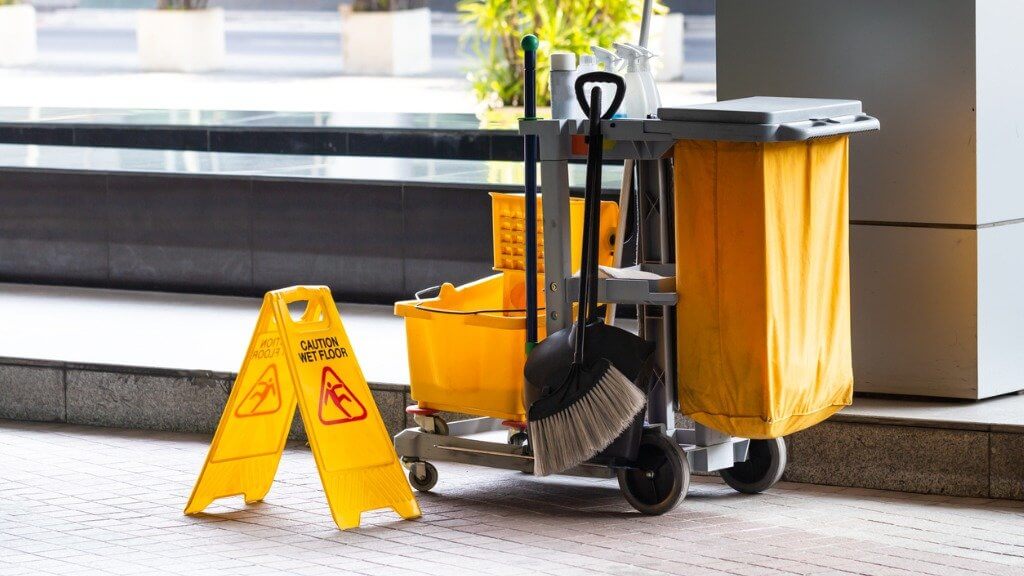
Maintaining impeccable hygiene standards in any business environment is more than a legal obligation but also an expression of professionalism and care for your employees and customers. Prioritising hygiene in restaurants or offices can create good impressions while creating healthier and safer working environments. From installing dishwashers to investing in industrial hand-drying solutions, in this blog, we will look at how businesses can achieve better levels of cleanliness.
Equip with Commercial Dishwashers
Businesses operating within the food and beverage industries understand that dishwashing is an important hygiene task. Hand-washing is time-consuming and unreliable under pressure, while commercial dishwashers ensure thorough cleaning, meeting food safety standards and lowering contamination risks. Their high temperatures disinfect dishes, removing harmful bacteria manually missed during washing. You will also be giving your team more time and water resources to focus on providing excellent customer service.
Provide High-Quality Hand Drying Facilities
Proper hand drying is just as important to minimising bacterial spread. Industrial hand drying towels or high-speed hand dryers installed in restrooms can greatly enhance sanitation practices and help to combat potential bacterial spread. In contrast to traditional air dryers, which may circulate bacteria through airflow, industrial hand drying towels have been specially designed to ensure hands are dried thoroughly quickly. This is ideal for high-footfall businesses that demand quick yet hygienic solutions for drying hands.
Use Antibacterial Cleaning Products
Every surface in a business, from countertops to door handles, can become breeding grounds for germs if left untouched for too long. Antibacterial cleaners ensure these surfaces remain safe and pristine. Businesses should create clear cleaning schedules and protocols so high-contact zones are regularly sanitised throughout the day, particularly using eco-friendly antibacterial products that demonstrate their commitment to sustainable practices.
Implement Touch-Free Technology
No one likes germs. So, investing in touch-free technology such as automatic faucets, soap dispensers, and flush systems (which reduce the chances of bacteria transmission, particularly in shared spaces such as restrooms), your business can add modernity and reduce germs through touch-free systems. Customers and employees appreciate these facilities that provide added convenience for themselves.
Educate Employees on Hygiene Best Practices
Hygiene requires active participation from your employees. Your business can host training sessions regularly to stress the importance of cleanliness and instruct the teams on proper practices for handwashing techniques, use of PPE where applicable, and maintaining clean workspaces. Allowing employees to take pride in their hygiene practices will promote an environment that places high priority on health and safety in the workplace.
Regular Maintenance and Professional Cleaning Services
Regular maintenance and professional deep cleaning services are important for keeping all hygiene-related equipment functioning optimally, such as dishwashers and hand dryers. Serving such items regularly will prevent breakdowns that compromise the hygiene standards and allow bacteria buildup in facilities like healthcare or hospitality, where stringent hygiene regulations exist. In such settings, professional deep cleaning services can address overlooked areas, maintaining a consistent level of cleanliness that ensures their use meets industry requirements.
Conclusion
Hygiene is an important component of business reputation and success. Using technology, training, and thorough cleaning protocols to create a welcoming and safe space, your business is able to build a clean “success.” From investing in dishwashers to installing industrial hand drying towels, maintaining hygiene need not be a “gross” chore but should become part of everyday practice.




Trending across pm today
- Enterprise Projects Miss Returns As Planning Models Fall Behind, Study Finds
News Team
- UK Businesses Push Brussels For Access To ‘Made In Europe’ Scheme
News Team
- PM Today Podcast: AXELOS® ProPath™ And The Future Of Work
Amy Hatton
- Extracting Advanced Business Intelligence From Compliance Data
PM Today Contri...
- CSignum Raises £2.6mn To Scale Underwater Monitoring Technology
News Team