£34bn Grid Investment Could Deliver £194bn Boost To UK Economy, Arup Study Finds
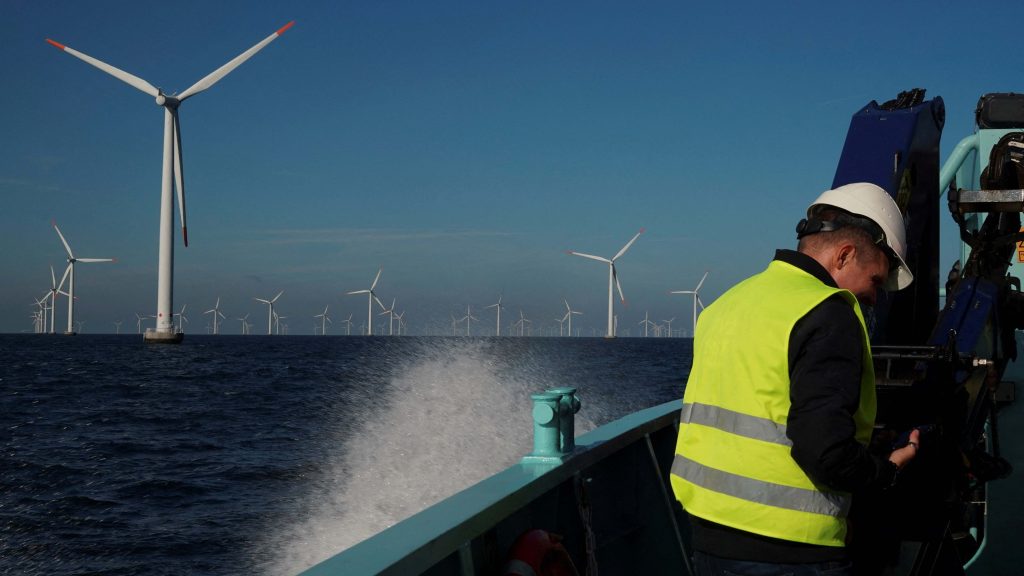
A £34bn programme of investment in the UK’s electricity grid over the next 15 years could unlock almost £200bn in wider economic benefits, according to new research by Arup.
The study, conducted in partnership with Cambridge Econometrics, estimates that sustained “supercharged” investment in grid infrastructure to 2040 could generate a return of almost four pounds for every pound spent, while supporting up to 92,000 additional jobs each year.
The report, titled Gridunlocked – unlocking the benefits of investing in the electricity grid, models two scenarios: one in which investment remains constrained, and another based on accelerated modernisation. Under the more ambitious approach, researchers found that multiple sectors would benefit from improved capacity, connectivity and reliability.
The services sector could expand by £95bn, supporting around 68,000 jobs annually, while property and construction could grow by £33bn and £20bn respectively. Many of the roles created would be in high-demand, skilled occupations, helping to strengthen the UK’s long-term productivity.
Arup said the benefits of grid investment extend beyond headline economic growth. Modernisation would allow the electricity system to better support renewable generation, storage and electrification, while reducing reliance on unabated gas and exposure to volatile global energy prices.
The report argues that a more resilient and decentralised network would improve energy security and help shield households and businesses from future shocks.
However, the study warns that infrastructure spending alone will not be sufficient. It calls for a more coordinated approach to planning and delivery across generation, transmission, distribution, storage and demand-side flexibility, supported by greater digitalisation.
“Strategic coordination across policy, finance, design, supply chains and delivery is essential,” the report says, adding that early and meaningful community engagement is also critical to maintaining public support.
Mark Neller, Arup’s energy leader for the UK, India, Middle East and Africa, said the findings highlighted the scale of the opportunity.
“Our research shows that ambitious grid investment is a catalyst for economic growth, job creation and energy security,” he said. “The choices we make today will determine the pace and success of the energy transition. Unlocking the benefits depends as much on how we deliver as on what we invest.”
The report has been welcomed by Great British Energy, which is tasked with helping to mobilise public and private capital into clean power projects.
Juergen Maier, chair of Great British Energy, said: “Expanding electrification across homes, industry and businesses is essential to cutting bills and lowering emissions. This report shows what can be achieved through partnership and long-term investment.”
Although focused on the UK, Arup said many of the study’s conclusions were relevant internationally, as countries seek to modernise ageing networks and support the transition to net zero.
Industry analysts say the findings reinforce growing calls for faster grid upgrades, amid long connection delays and rising demand from electric vehicles, heat pumps and data centres. Without sustained investment and coordination, they warn, infrastructure constraints could become a major brake on economic growth and decarbonisation.



Trending across pm today
- Spotify Scaling Agile Model
Abhishek Mishra
- Revolving Door Syndrome: The Age Of The Disposable Leader
PM Today Contri...
- Enterprise Projects Miss Returns As Planning Models Fall Behind, Study Finds
News Team
- Why Forward-Looking Project Control Matters More Than Explaining Deviations After T...
Carsten Knappe-...
- UK Businesses Struggle To Measure Returns On AI Investment, EY Finds
News Team