EDF is expanding investment in apprenticeships, graduate schemes and industrial training as it seeks to build the skilled workforce required for Britain’s clean energy transition, against a backdrop of widespread labour shortages and stagnant participation among young people.
The French state-owned utility said it was continuing to hire and train young people across its UK operations, citing estimates that around three million workers will need to be reskilled in the coming years. With large numbers of people not in work, education or training, the company argues that apprenticeships and structured training programmes will be critical to meeting future demand in energy and construction.
EDF’s 2026 intake will span nuclear operations, new nuclear development, renewables and central support functions, including technical, human resources and project roles. The breadth of the programme reflects what the company describes as a growing need for multidisciplinary skills as the UK accelerates investment in low-carbon infrastructure.
Training has been most visible at Hinkley Point C in Somerset, where more than 1,700 apprentices have now been trained — exceeding the project’s original target of 1,000. The site has also offered a 16-week pre-employment programme to nearly 1,000 people, with around two-thirds subsequently offered jobs, according to EDF.
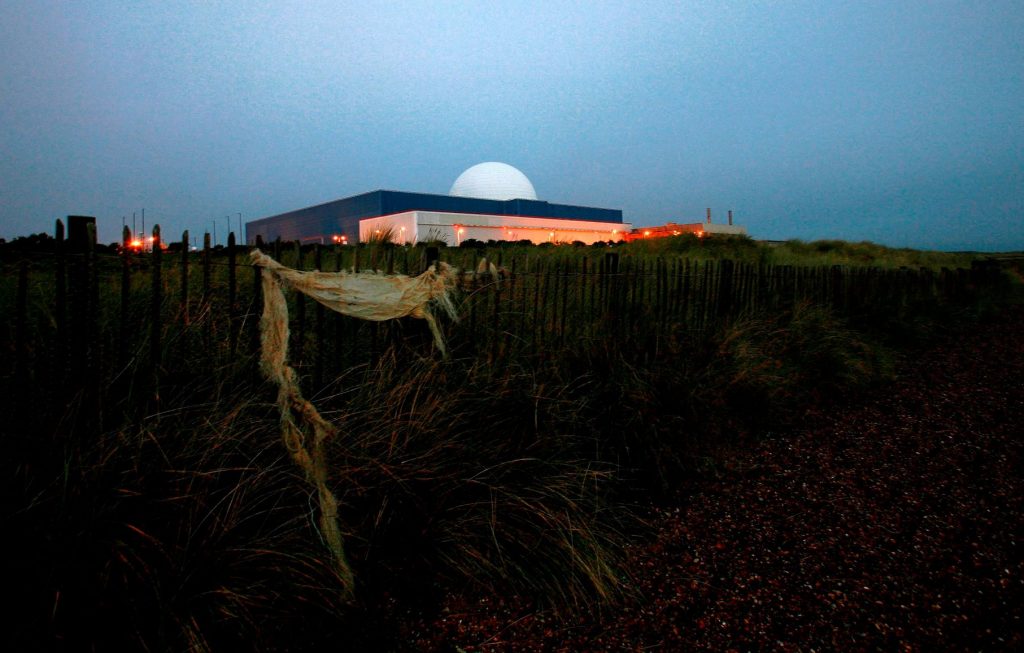
At Sizewell C, in which EDF holds a 12.5 per cent stake, the developer plans to support up to 1,500 apprentices during construction, including more than 500 from the local area. The project recently welcomed its 100th apprentice. Across EDF’s existing nuclear fleet, more than 200 apprentices are currently working at stations across England and Scotland.
Carol McArthur, chief people officer at EDF UK, said long-term workforce planning was central to delivering the energy transition. “Creating high-quality careers is essential to securing Britain’s low-carbon future,” she said. “Apprenticeships open doors for people of all ages and backgrounds, from engineering to emerging areas such as cybersecurity and project management.”
EDF has also partnered with upReach, a social mobility charity, reserving places on its nuclear graduate and industrial placement schemes for participants from lower socio-economic backgrounds. Sixteen candidates have been offered roles as part of the 2026 intake.
The company said it would continue to align its training programmes with future skills needs as nuclear stations transition into decommissioning and new projects move forward.