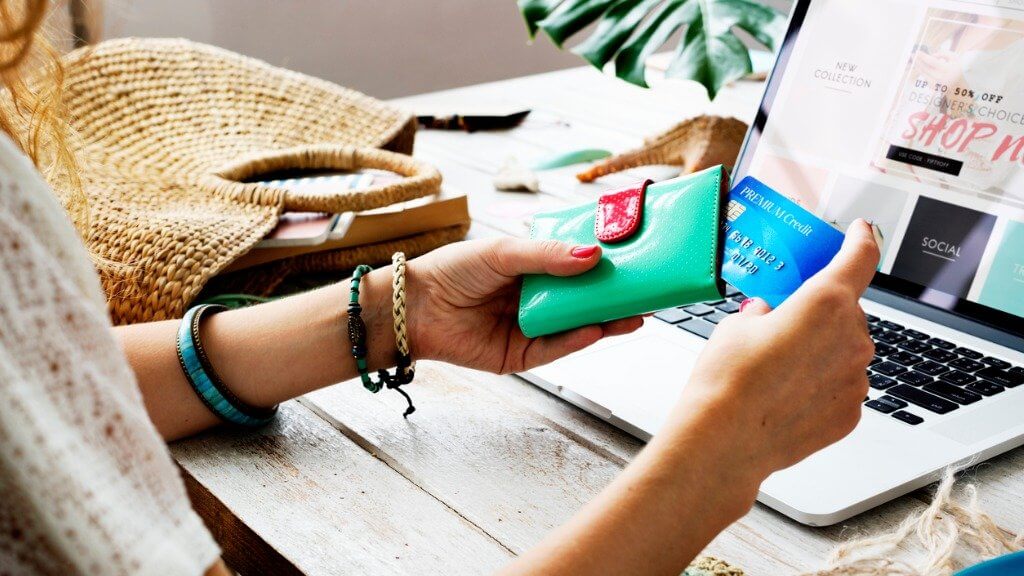
Shopping online used to feel a bit more casual than it does now, because years ago, somebody could spot something nice, add it to the basket, pay for it, and more or less assume the item would show up without turning the whole purchase into a trust exercise.
Seriously, shopping online in general used to be a lot simpler, so much easier. Both for the customer and the commerce business itself. Like, for an ecommerce, it didn’t take much to maximise the efforts either. But oh, what times have changed.
Maybe you’re no different here, but nowadays everyone is super suspicious. Well, for one, people are suspicious enough when buying in person (like if something is counterfeit or not), and on top of that, now more than ever there’s just so many scammy websites floating around. So obviously, customers have been trained to look for red flags before they even think about typing in their card details. But can you honestly blame them, though?
Most Trust is in the Giants
That’s exactly why so many people default to bigger brands now. Amazon feels safe because it’s familiar, Etsy feels safer than some random unknown site because it has recognition behind it (and stern customer service that sides with the customer), and then of course there are all the established names across the UK that people already know, where the checkout feels normal, the delivery process makes sense, and there’s no need to worry that your package is coming from China because it’s probably as a facility a couple of hours away at best.
So, of course, that kind of familiarity does a lot of work. It tells customers this brand is real, this brand will probably deliver, and this brand is less likely to vanish the second payment clears.
So if a small ecommerce brand wants to appear bigger than it actually is, the real goal isn’t pretending to be some giant retailer with thousands of staff and a boardroom full of people making spreadsheets all day. It’s probably not even on that scale for a good chunk of trusted e-commerce brands either. It’s honestly more about being safe and looking dependable.
Basically, it’s about not looking like a scammy website or a dropshipping website, or anything like that. So, where do you even begin here?
You Need to Make the Website Feel Inhabited
There’s a major reason to start right here, because a lot of scammy websites have one thing in common, and it’s that strange, empty feeling they give off. Meaning that the site exists, obviously, but it doesn’t feel inhabited. Basically, it feels assembled. More or less, it just looks thrown together, like the wording is vague, the contact details are flimsy, the delivery page is oddly slippery, and the whole thing has that faint whiff of somebody setting it up in a hurry and hoping nobody asks too many questions. And so that’s exactly the feeling a small brand needs to avoid.
A real-looking ecommerce site should feel like somebody is behind it who plans on still being there next month. Ideally, you should be pouring your heart and soul into this. But all the pages need to be filled out, your Contact Us should be more than just a contact form (there should be an actual email and, better yet, a phone number). You actually need to put real effort, and this can’t look like a template that was barely filled in; people can tell if something is an obvious template.
How are You Writing the Product Pages?
And why is this even relevant here? Because a lot of smaller ecommerce brands still write product pages as though the customer arrived already half-convinced. That might’ve worked a bit better years ago, but now people are far more cautious, and for good reason. But think about it from a shopper’s perspective here, because if a product page is vague, thin, or full of generic nonsense, it doesn’t look stylish or minimal; it looks risky. Like, theres nothing good enough in this world to risk money on, to risk your identity being stolen, well, hopefully there isn’t.
If you want your brand to look bigger, appear bigger, feel bigger, then you need to give off reassurance. You need to work hard on your product pages, the photos, the descriptions, and no, don’t even AI generate images or text because people know when that happens. They’re going to instantly assume it’s a scam website.
You Have to Think About the Delivery Speed
Scam websites rarely ship anything, but drop shipping websites do, and they take a long time to do that, too. And okay, sure, a lot of small ecommerce businesses are forced to deal with high shipping expectations, because Amazon has completely warped what people think normal delivery should look like. But think about it, prime shipping made speed, tracking, and convenience feel standard, not exceptional, and now that expectation follows customers all over the internet. Honestly, it’s a real shame here too.
So even if someone is shopping with a tiny independent brand they genuinely want to support, part of their brain is still asking how quickly this is leaving the building, how many updates they’re getting, and if they’re about to wait two and a half weeks for something that looked as though it was already sitting on a shelf somewhere. Again, it’s not right, it’s not fair, but this is just how it is now.
At that point, depending on how big your business is, you might honestly want to look into using a fulfilment centre since they’re going to be ne of the clearest ways to help the brand look like the real deal, especially when fast delivery has become tied to trust in people’s minds, thanks in no small part to Amazon training everyone to expect convenience at ridiculous speed.
It’s More About Being Harder to Doubt
Honestly, it’s not fair that newer and smaller businesses have more cards that have to be dealt with; it’s honestly a shame. And as generic as it sounds, you just need to pivot, roll with the punches, and just try and get on with it and work with what challenges you’re facing. Again, it might not be the funnest or easiest thing to be said, but if you want to be more successful, you need to be harder to doubt, and that does mean having to deal with all the challenges that are being thrown at you.